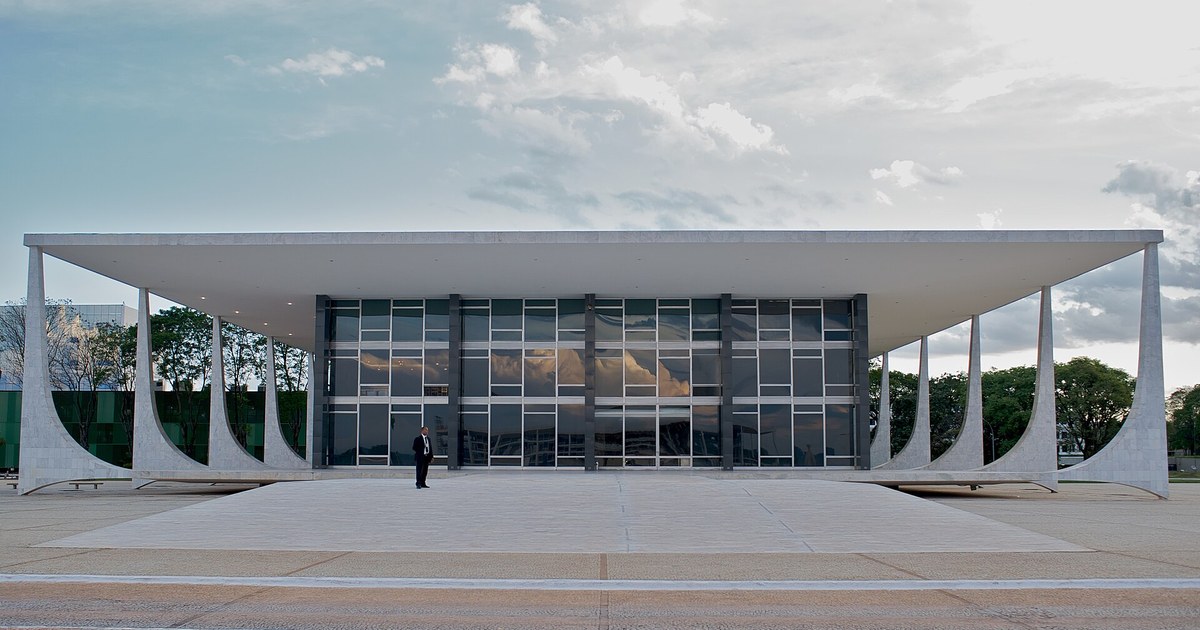
Brazil Online Casino Ban Hangs in the Balance at the Supreme Court
The Brazil online casino ban reached a decisive moment this week. On 3 November 2026 the Supreme Federal Court (STF) heard arguments over Provisional Measure 1,394, the decree that President Lula signed on 25 September to shut down the country’s regulated betting market, online casino games included. The hearing ended without a ruling, and on the same day a federal appeals judge restored the licence of one operator, leaving players, operators and sports bodies in limbo. For anyone who gambles online, or is thinking about it, the Brazil case is a live example of how quickly access to licensed online casinos can change when politics and regulation collide.
What the Brazil online casino ban actually does
Provisional Measure 1,394 banned the offering, brokering and advertising of fixed-odds betting across Brazil. Under the 2023 framework that created the regulated market, “fixed-odds betting” covers both sports betting and online casino games, so the decree closed down both at once. It also ended every federal, state and district licence without refunds or compensation, voided pending applications, and ordered existing betting adverts removed within 10 days.
The practical timeline was brutal for operators and customers alike. Players were told to withdraw their balances by 5 October, betting sites and apps were taken offline from 6 October, and any remaining funds were to be returned through operators’ banking partners by 14 October. Licensed companies received no reimbursement of the fees they had paid. The government framed the measure as a response to household debt and gambling harm, and paired it with plans to renegotiate household debt on a large scale.
Why this matters for players
The headline point is simple. A market that was legal and supervised one month became closed the next, with no transition period for the people using it. That is the opposite of how a stable, player-friendly market is supposed to work, and it is a useful reminder of why licensing matters. When a casino operates under a recognised licence, players have clear rules on withdrawals, verification, dispute resolution and responsible gambling tools. When that licence disappears overnight, those protections go with it.
There is also a direct money question. Brazilian players had a narrow window to pull their balances out before sites went dark, and were then reliant on operators’ banking partners to return whatever was left. Anyone who missed the deadline, or who held funds with a smaller operator, faced real uncertainty about getting their money back. This is why it pays to understand a site’s payout terms before you deposit, and to keep an eye on the licence behind any casino you use. Our guidance on choosing safe online casinos and checking casino licences is built around exactly these risks.
The danger of players moving to unlicensed sites
One of the strongest arguments against a sudden ban is that it rarely removes demand. It simply moves players somewhere less safe. At the Supreme Court hearing, industry and responsible-gambling groups argued that the measure does little to stop illegal operators, who were never licensed in the first place. The Brazilian Institute for Responsible Gaming (IBJR) said no one at the hearing had set out a plan to end illegal gambling. A broadcasters’ association reported that complaints about illegal betting adverts rose from around 2.3 a day before the ban to 8.5 a day afterwards.
For players, that is the core hazard. Offshore and black-market sites often carry no meaningful verification, no deposit limits, no self-exclusion links and no reliable route to a refund if something goes wrong. If you ever find a familiar casino suddenly unavailable, the safe response is to check whether it has lost its licence, not to search for a mirror site or an unlicensed alternative. Responsible gambling tools and player protection resources only work when you stay inside the regulated system.
What it means for bonuses, payments and account balances
Market shutdowns hit the commercial side of online casino hard, and that feeds through to players in other regulated countries too. Payment firms in Brazil were allowed to process gambling transactions only to wind operations down and return funds, which shows how closely casino payments and regulation are tied together. When a regulator or government restricts advertising and promotion, welcome offers, free spins and cashback deals are usually among the first things to go, because operators can no longer market them.
None of this changes offers in other markets by itself, but it illustrates a pattern worth watching. Bonus terms, payment options and withdrawal speeds are shaped by the rules of each jurisdiction, not set in stone. Players who compare casino bonuses and payout policies across licensed sites are better placed to spot when terms tighten and to move to a casino that still offers fair value.
What players should watch next
The situation is far from settled. The STF has eight constitutional challenges in front of it, and Justice Luiz Fux, who presided over the hearing, set no deadline for a ruling. On 3 November a judge at the Federal Regional Court of the 3rd Region restored the licence of CDA Gaming, which runs Casa de Apostas, Betsul and Jogo Online, describing the uncompensated loss of a paid licence as “a genuine confiscation.” That ruling applies only to CDA Gaming and remains provisional, and the government can appeal, as it did when an earlier reprieve for Stake was overturned within days.
Congress is the other moving part. The review period for the provisional measure runs to 23 November 2026 and can be extended by a further 60 days, which could push any decision into 2027. Lawmakers have already filed scores of amendments, some aimed at restoring the regulated market. In short, the Brazil online casino ban could be upheld, struck down, replaced or quietly reshaped, and the next three weeks will tell players and operators a great deal about which way it goes.
The Betspin view
Brazil shows the difference between a regulated market and an unregulated one in the sharpest possible terms. A supervised market gives players rules, recourse and responsible gambling tools. A sudden ban, however well intended, risks pushing the same players toward sites that offer none of that. We will keep tracking the Supreme Court case and the congressional timeline, because the outcome matters well beyond Brazil. The clearest takeaway for players anywhere is to stick to licensed casinos, read the payment and bonus terms before depositing, and treat any casino that cannot show a valid licence as a reason to walk away.
 Related Blog posts